Snapshots of Renewal: British Wildlife Flourishing Again

Today we explore Snapshot Successes in British Wildlife and Habitat Restoration, gathering uplifting glimpses from river bends, heather slopes, sea meadows, and city edges. From red kites wheeling over fields to seagrass recovering beneath clear tides, these moments reveal practical actions, patient partnerships, and community pride turning careful plans into living, breathing habitats.

From Sky to Hedgerow: Birds Making a Comeback

Across Britain, patient habitat work and better food chains are lifting wings again. Reintroduced raptors establish territories, cranes stalk restored fens, and farmland birds find cover in thicker hedges. Behind every arrow on a survey chart stand nest boxes, wet field corners, predator-safe islands, and volunteers rising before dawn to count, ring, and quietly celebrate each fledged chick.

01

Raptors Over the Chilterns

Look up on a breezy afternoon and wide, ruddy tails tilt effortlessly above patchwork fields. Decades of protection, carrion left undisturbed, and clear messaging about responsible feeding helped confidence grow. Farmers, walkers, and school projects share sightings, while monitoring teams map territories that slowly knit across ridgelines, testimony to persistence, patience, and ordinary kindness shown repeatedly.

02

Cranes on Restored Wetlands

On quiet mornings a bugling call carries over shallow pools where rushes tremble and dragonflies skim. Careful water level management, screens for privacy, and undisturbed nesting platforms invite tall, elegant figures home. Local guides help visitors keep respectful distances, turning excitement into stewardship, while ringed juveniles trace hopeful lines between scattered reserves that now function as a connected landscape.

03

Seabirds After Predator Control

Where cliffs meet wild spray, burrows once silent now rustle at dusk. Targeted predator removal and strict biosecurity have turned small islands into safe nurseries. Volunteers patrol landing points, boat crews check kit, and visiting photographers keep respectful distances, so eggs remain unbroken, wings return, and tiny fish once again flash from patient bills along summer storm lines.

Waterways Reawakened: Rivers, Wetlands, and Floodplains

Healthier flows, gentler banks, and room for water are transforming channels from hard-edged drains into living corridors. Gravel is rebedded, barriers softened or removed, and side pools reconnected to let young fish shelter. Communities notice clearer riffles, dragonflies staging above reeds, and seasonal floods spreading calmly into meadows, protecting homes while feeding soils and the wildlife they cradle.

Ground Truths in Green: Forests, Heaths, and Peatlands

Across uplands and lowlands, careful restoration is rebuilding structure from soil upward. Blocking grips re-wets peat, sphagnum re-colonizes, and carbon stays grounded. In woods, natural regeneration stitches glades to copses, while targeted deer control and deadwood retention enrich the understory. On heath, scrub is balanced with light grazing and winter burns, renewing a varied patchwork that serves specialist insects and birds.

Coasts Revived: Saltmarsh, Seagrass, and Oyster Reefs

Along estuaries and bays, deliberate breathing space lets tides build rich edges again. Managed realignment creates new saltmarsh, seagrass is planted carefully by hand and hook, and native oyster beds are seeded to knit reefs. Water clears, young fish hide, and shorebirds feed. Citizen divers, sailors, and shoreline businesses collaborate, protecting gains through shared codes and regular check-ins.

Seagrass Nurseries Return

In sheltered coves, teams mark out grids and sink biodegradable mats holding shoots that sway into life. Monitoring frames record height, density, and invertebrate bustle. Seahorses are rarely promised, yet pipefish, juvenile cod, and shimmering shoals appear as blades thicken. Mooring reforms and anchor-awareness campaigns keep propellers off fragile beds, aligning recreation with recovery through simple, repeatable habits.

Oyster Reefs Filter and Shelter

Scattered shells become scaffold when woven into low mounds that soften waves. Hatcheries supply spat on shell bred for resilience, while biosecurity reduces disease risks. As clusters grow, turbidity falls and crevices fill with crabs, worms, and juvenile fish. Restaurants bag leftovers for recycling, closing loops that turn last night’s supper into tomorrow’s coastal protection and community science.

Saltmarsh Edges Shift and Thrive

Where old embankments step back, tides paint new lines across gently sloping fields. Glasswort and sea aster spread, trapping silt and calming waves. Waders gather methodically with each tide, while buried carbon builds quietly. Boardwalks steer footsteps over sensitive zones, and school trips turn muddied boots into bright drawings that persuade families to support long-term shoreline breathing space.

Farms that Flourish: Hedgerows, Meadows, and Pollinators

Field edges and husbandry choices steer wildlife fortunes as surely as any reserve. Wider buffer strips, staggered hedge cutting, beetle banks, and flower-rich margins turn production landscapes into safe passage. Integrated pest management reduces sprays, barn owl boxes meet vole-rich grass, and ponds are fenced for gentle edges. Yields hold steady as resilience rises and countryside sounds grow layered again.

People Power: Partnerships, Stories, and Skills

{{SECTION_SUBTITLE}}
Volunteers with Boots and Binoculars

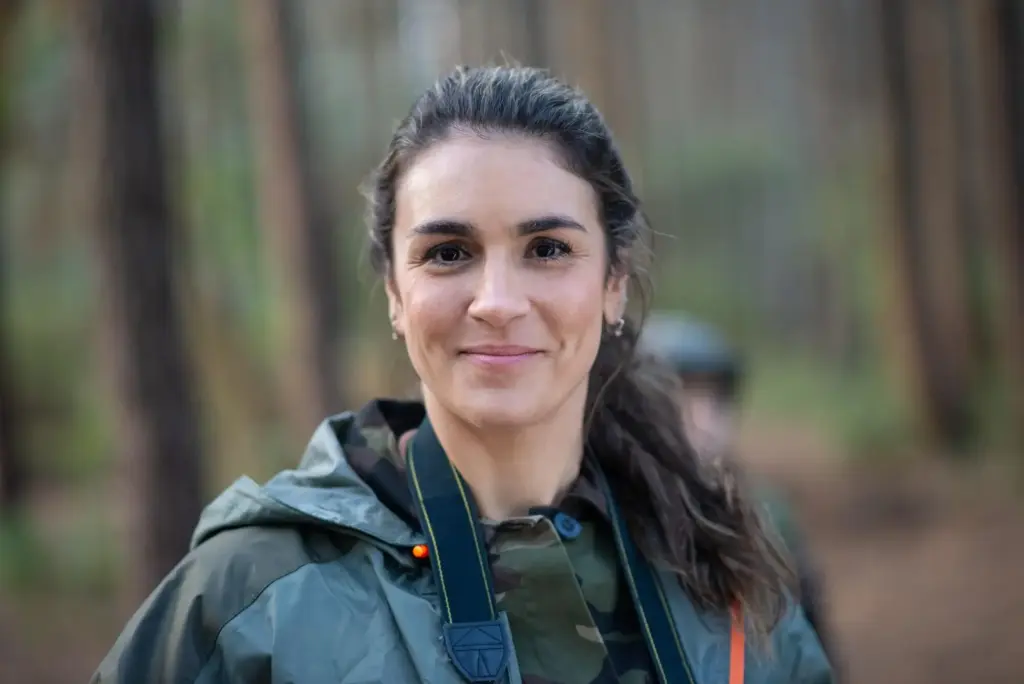
Reliable records come from clear protocols and caring mentorship. New volunteers learn timed counts, safe wader use, and quiet fieldcraft that leaves nests undisturbed. Pairs share dawn duties, swap notes over flasks, and submit data by evening. If you enjoy fresh air and patient detail, register interest, borrow spare kit, and let your curiosity grow into steady contribution.

Local Knowledge Guiding Decisions

Decisions improve when lived experience sits beside spreadsheets. Farmers know where tractors bog, anglers read water color changes, and dog walkers spot subtle nest scrapes. Old photos, parish minutes, and oral histories are digitized and geo-tagged, revealing paths of past floods and species retreats. Joint plans emerge that fit local rhythms, budgets, and the stubborn realities of weather.
Tarilaximirakarovarozavo
Privacy Overview

This website uses cookies so that we can provide you with the best user experience possible. Cookie information is stored in your browser and performs functions such as recognising you when you return to our website and helping our team to understand which sections of the website you find most interesting and useful.